Escalating Challenge Thresholds
In recent months, Honkai Star Rail's Memory of Chaos (MOC) has become a focal point of heated discussion within the player community. We have observed a concerning trend where difficulty levels have increased dramatically between iterations. Most notably, MOC 10 in the current version features enemy HP pools that surpass what players previously encountered in MOC 12 just four months ago. This unprecedented scaling has raised serious questions about the game's difficulty trajectory and design philosophy.
Statistical Comparison and Mechanical Analysis
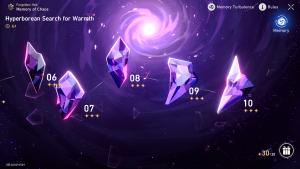
The controversy centers around a widely circulated screenshot comparing the HP values between current MOC 10 and previous MOC 12 iterations. While some argue that direct comparisons are flawed due to mechanical differences—particularly with bosses like Nekador who can inflict self-damage—we find this argument insufficient. Even accounting for Nekador's self-damage mechanics, players must still deal significant damage to surrounding enemies to trigger these effects, essentially requiring more overall damage output than before.
Accessibility Concerns
This difficulty spike represents more than just a numerical challenge—it fundamentally alters the accessibility of endgame content. What was once challenging but achievable for moderately invested players has transformed into content that demands highly optimized teams and premium characters. This shift contradicts the game's earlier design principles that allowed for greater character variety and strategic flexibility.
Player Investment vs. Reward Balance
The current state of MOC has disrupted the delicate balance between player investment and in-game rewards. Many players, including long-time supporters since the game's release, now question whether the time investment required for MOC completion aligns with the rewards offered. This article acknowledges that when players begin to calculate the efficiency of their time spent versus rewards gained, it signals a potential design imbalance that warrants attention.
Character Viability Issues
Perhaps most concerning is the narrowing of viable character options. Players who have invested in characters like Kafka and Black Swan find themselves at a severe disadvantage in current MOC iterations. This contradicts the fundamental appeal of gacha games—the ability to collect and effectively use favorite characters. When content design forces players to abandon preferred characters in favor of meta options, it undermines one of the game's core attractions.
Alternative Endgame Content Comparison
While Pure Fiction exists as another endgame activity, we find it lacks the engaging mechanics that initially made MOC appealing. This leaves players in a difficult position—choosing between an overly difficult MOC or an unsatisfying Pure Fiction experience. The absence of balanced, rewarding endgame content represents a significant gap in the current game design.
Global and Chinese Server Alignment
This controversy has transcended regional boundaries, with both global and Chinese server communities expressing similar concerns. This alignment of criticism across different player bases suggests that the issue stems from fundamental design decisions rather than cultural or regional preferences, lending additional weight to the community's concerns.
Chinese Players' Frustration and Community Backlash
The Significance of Chinese Player Sentiment
The controversy surrounding Memory of Chaos difficulty has reached a critical turning point with the unprecedented backlash from the Chinese player community. We find this development particularly noteworthy as Chinese players have historically demonstrated higher tolerance for challenging content and monetization practices in gacha games. When this typically accommodating community voices strong dissatisfaction, it signals a fundamental problem with game design rather than merely subjective complaints from casual players.
Translated Community Responses
Recent translations of Chinese forum discussions reveal a depth of frustration previously unseen in the Honkai Star Rail community. According to translations shared by Reddit user WongWyan145, Chinese players have expressed concerns that closely mirror those of the global community but with greater intensity and urgency. This article recognizes the value of these translations in providing insight into the sentiment of a player base that often influences development decisions due to its market significance.
Economic Impact and Spending Reconsideration
The Chinese community's backlash extends beyond mere dissatisfaction with difficulty—it has begun to affect spending patterns. Many long-time supporters have publicly declared their intention to reduce or eliminate expenditure on the game until balance issues are addressed. This represents a significant escalation from previous controversies, as Chinese players typically maintain spending even through minor disagreements with development decisions.
Comparative Analysis with Previous Controversies
In examining the history of Honkai Star Rail and other HoYoverse titles, we find that the current level of Chinese community backlash exceeds reactions to previous controversial changes. Even contentious updates in Genshin Impact did not generate the same unified criticism from Chinese players. This context helps illustrate the exceptional nature of the current situation and why developers may need to respond with more substantial changes than in past instances.
Platform Censorship Concerns
A particularly troubling aspect of this controversy involves reports of discussion censorship on official Chinese platforms. Players attempting to provide constructive feedback about MOC difficulty have reported their posts being removed from official forums and social media channels. This apparent attempt to control the narrative has only intensified community frustration and driven discussions to less regulated platforms where sentiment has grown increasingly negative.
Developer Reputation at Stake
The Chinese gaming community has historically held HoYoverse (formerly miHoYo) in high regard for their attention to player feedback and game quality. The current controversy threatens this reputation in their home market. We observe that Chinese players frequently reference the company's previous responsiveness as a reason why the current situation feels particularly disappointing—the perceived departure from player-centric design principles has damaged trust that had been carefully built over years.
Cross-Cultural Alignment of Criticism
Perhaps most telling is the remarkable alignment between Chinese and global player concerns. Despite cultural differences in gaming preferences and spending habits, both communities have identified the same fundamental issues with MOC difficulty scaling, character viability, and reward structures. This cross-cultural consensus strengthens the argument that these problems stem from objective design flaws rather than subjective player expectations or regional preferences.
The Future of Honkai Star Rail: Balance Patches and Player Concerns
The Critical Crossroads
As we examine the current state of Honkai Star Rail, it becomes evident that the game stands at a pivotal crossroads. The mounting frustration across global, Chinese, and Japanese communities signals a watershed moment that demands thoughtful developer response. The upcoming balance patches represent not merely routine adjustments but a crucial opportunity to address fundamental design issues that have eroded player goodwill. This article recognizes that the future trajectory of Honkai Star Rail hinges on how effectively these patches address the core concerns that have united diverse player communities in unprecedented criticism.
Announced Balance Changes: Promise or Placebo?
The first wave of announced balance adjustments targeting characters like Silverwolf, Zilla, and Yang Jing offers a glimpse into HoYoverse's awareness of existing problems. However, we must question whether these targeted buffs will sufficiently address the systemic issues plaguing endgame content. The selection of characters for adjustment appears somewhat disconnected from the most pressing community concerns, particularly regarding older units like Kafka and Black Swan that have been rendered nearly obsolete by recent difficulty spikes. This disconnect suggests a potential misalignment between developer priorities and player experience that could undermine the effectiveness of these initial changes.
The Narrowing Meta Problem
Perhaps the most concerning trend that requires immediate attention is the accelerating constriction of viable character options. The sentiment expressed by Chinese players that "characters not in the current banner are prohibited" reflects a design philosophy that contradicts the fundamental appeal of collection-based games. We observe that this approach creates a dangerous precedent where player investment in characters becomes rapidly devalued with each update cycle. For Honkai Star Rail to maintain long-term viability, balance patches must specifically address this narrowing meta by ensuring older characters remain competitive in current content.
Economic Sustainability Concerns
The relationship between game balance and economic sustainability cannot be overlooked. The current model, which appears to pressure players toward acquiring new characters through difficulty scaling, threatens the game's long-term financial health. When players begin reconsidering their spending habits—as evidenced in Chinese community discussions—it signals a breakdown in the value proposition that sustains gacha games. Future balance adjustments must restore player confidence that investments in characters will retain value beyond a single update cycle to maintain a healthy economic ecosystem.
Transparency and Communication Imperatives
A critical component missing from the current developer approach is transparent communication regarding design philosophy and difficulty scaling intentions. The community backlash has been amplified by the perception that feedback is being ignored or actively suppressed, particularly on Chinese platforms. We believe that any successful remediation strategy must include not only mechanical adjustments but also a clear articulation of design principles and future intentions regarding content difficulty. This transparency would help rebuild trust and provide context for players to evaluate upcoming changes.
Learning from Competitive Titles
The gacha game market offers numerous examples of successful balance adjustments that Honkai Star Rail could emulate. Games like Arknights and Granblue Fantasy have implemented systems that periodically revitalize older units while maintaining reasonable difficulty scaling. This article suggests that HoYoverse would benefit from examining these models rather than following patterns that led to community fragmentation in their other titles. The goal should be creating a sustainable difficulty curve that challenges players without invalidating their previous investments.
Beyond Numerical Adjustments
Effective balance patches must address more than just numerical values—they must reconsider fundamental design philosophies. The current approach appears to equate difficulty with inflated enemy statistics rather than engaging mechanical challenges. We advocate for a more nuanced approach to difficulty design that rewards strategic thinking and team composition rather than simply requiring the latest characters or overwhelming damage output. This philosophical shift would allow for more diverse play experiences while maintaining appropriate challenge levels.
The Path Forward
The coming months will determine whether Honkai Star Rail can recapture the goodwill it initially generated. The balance patches represent an opportunity to demonstrate that HoYoverse values player investment and feedback. We believe that successful remediation requires addressing character viability, difficulty scaling, reward structures, and communication transparency simultaneously. If these issues remain unaddressed, the current dissatisfaction could evolve from temporary frustration into permanent disengagement—an outcome that would benefit neither players nor developers of this otherwise promising title.
Top-Up Your honkai star rail at LootBar.gg
Looking to enhance your Honkai Star Rail experience?
LootBar.gg offers the most reliable and cost-effective
hsr top up service available today. With competitive pricing and instant delivery, you can quickly purchase Stellar Jade and other in-game currencies to pull for your favorite characters without the hassle. The platform supports numerous payment methods and provides round-the-clock customer support to address any concerns immediately. Unlike other services, LootBar ensures complete account security while processing your HSR top up, allowing you to focus entirely on exploring the cosmic railway and building your ultimate team. Join thousands of satisfied players who trust LootBar.gg for all their Honkai Star Rail purchasing needs and experience the difference that professional game trading services can make.