What International Buyers Should Verify in a C&I BESS Supply Chain
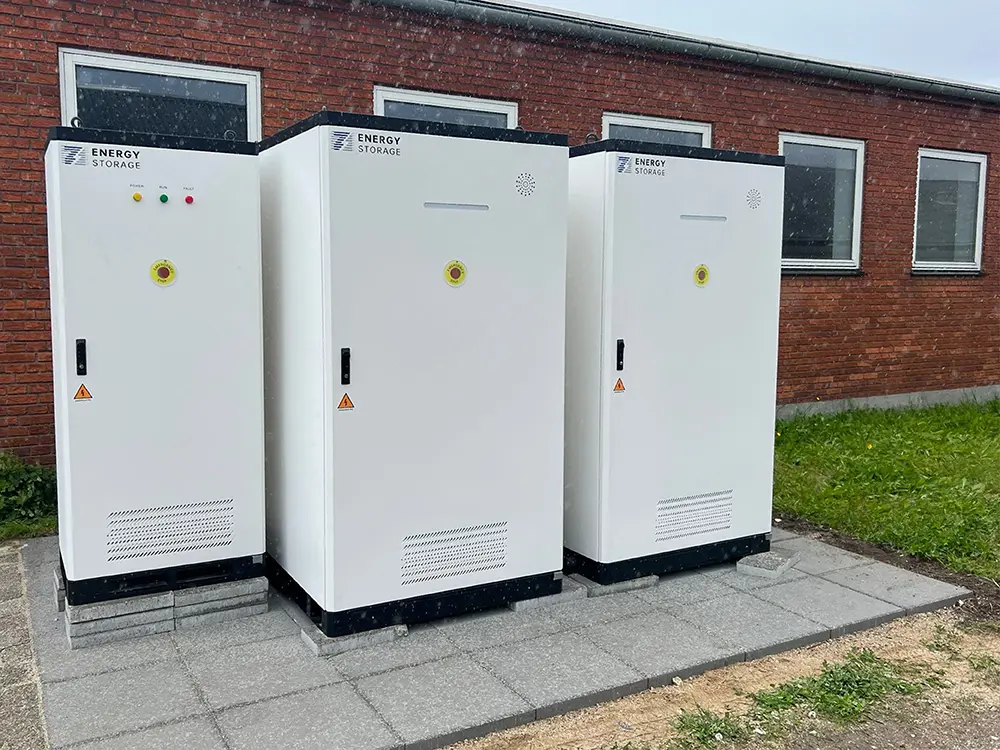
A commercial battery system is assembled from batteries, power conversion equipment, controls, protection, thermal management and balance of plant components. International procurement adds shipping, local compliance and service coordination. Buyers therefore need to verify not only product data but also who accepts responsibility for the integrated system.
Identify the responsible parties
The proposal should name the battery manufacturer, power conversion supplier, system integrator, enclosure provider and local installer. It should state who owns the overall design, control integration and warranty interface. A single point of commercial contact is useful only when the contract clearly covers failures across component boundaries.
When assessing suppliers such as BENY New Energy, request a project specific bill of materials and a controlled process for substitutions. Certificates and test reports should match the offered model, voltage, capacity and configuration. A generic certificate from another product family is not a substitute for configuration evidence.
Define factory and site tests
The factory acceptance test should cover the approved drawings, key components, communications, alarms, operating sequences and applicable functional checks. The owner should agree on test records and witness points before manufacturing. Open items should be documented with an owner and completion date rather than accepted as informal promises.
Site acceptance testing confirms installation quality and interaction with the actual transformer, switchgear, utility meter and site controller. Tests should include normal dispatch, power limits, emergency stops, alarm reporting and selected failure modes. The commissioning plan must also identify who can change protection and control settings.
Plan transport service and change control
Shipping instructions should address packaging, environmental limits, battery state of charge, dangerous goods documentation and inspection after arrival. Storage conditions matter if equipment will wait on site before installation. Any damage or delay process should preserve evidence and responsibility.
The buyer should also secure spare parts, response times, remote support rules, training, software access and a documented warranty claim path. Final documentation should include as built drawings, settings, firmware versions and test records. These controls reduce the risk that a technically capable system becomes difficult to support across borders and contractors.